

Navigating the Accelerated Pace of Change
The aerospace and defense sectors are in the midst of an unprecedented transformation driven by automation and advanced manufacturing technologies. Faced with complex demands for hyper-precise components, reduced lead times, and enhanced quality assurance, manufacturers are compelled to navigate this new landscape with agility and foresight. Essential approaches like automation in supply chains and advanced additive manufacturing processes are no longer mere enhancements; they are critical for sustaining competitive advantages in these high-stakes industries.
Real-World Examples of Technological Integration
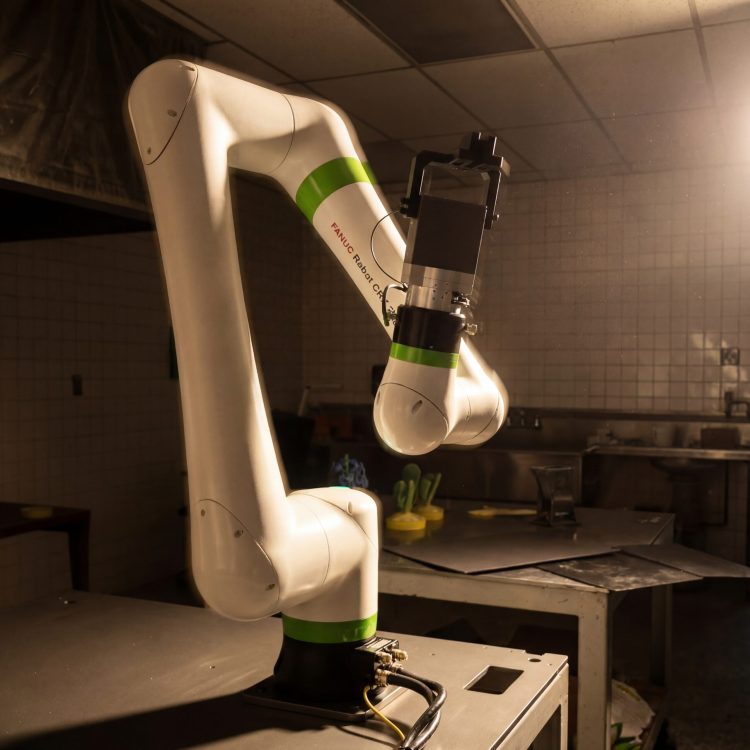
In recent years, BasTech has shown how strategic technological integration can redefine manufacturing efficiency. Through the use of advanced robotics, real-time data monitoring, and additive manufacturing with aerospace-grade materials, BasTech has streamlined production workflows and eliminated traditional bottlenecks. These innovations have not only enhanced product consistency and performance but also significantly reduced time-to-market—especially in precision-driven applications like firearm suppressors.
The Tangible Benefits
The move towards automation and advanced manufacturing offers several compelling benefits:
- Efficiency: Automation reduces human error, speeds up production timelines, and optimizes resource allocation. By automating repetitive tasks, skilled labor can focus on more strategic roles, driving innovation and problem-solving.
- Quality and Scalability: Advanced manufacturing techniques ensure precision in complex geometries, critical in defense and aerospace structures, while facilitating scalability across varied production runs.
- Supply Chain Resilience: Automation can enhance the visibility and readiness of supply chains, creating agility in response to disruptions, which is a decisive advantage in global operations.
Challenges to Overcome
Despite these benefits, the journey to automated, advanced manufacturing is fraught with challenges. The initial investment in technology can be substantial, often necessitating a strategic cost-benefit analysis. Additionally, there is a growing need for workforce upskilling to manage and maintain new systems, bringing cybersecurity considerations to the forefront, as interconnected systems can be vulnerable to breaches if not adequately protected.
Actionable Insights for Manufacturers
Manufacturers contemplating the adoption of these technologies should start by:
- Conducting a comprehensive gap analysis to understand current capabilities and future needs.
- Developing a phased integration plan, prioritizing areas with the most immediate impact or greatest potential for improvement.
- Investing in workforce training programs to ensure employees are equipped with the skills required to operate and maintain new technologies.
- Implementing robust cybersecurity measures to safeguard digital assets and production processes.
- Collaborating with technology partners and industry leaders to share insights and leverage collective expertise.
A Look to the Future
As aerospace and defense manufacturing continues to evolve, the integration of automation and advanced manufacturing technologies stands as a crucial catalyst for growth and competitiveness. Looking ahead, these technologies will not only reshape organizational operations but will redefine the very essence of manufacturing excellence, driving forward a new era of innovation and strength in a globally dynamic marketplace.